
Which senior roles will we need to fill, and can we fill them?
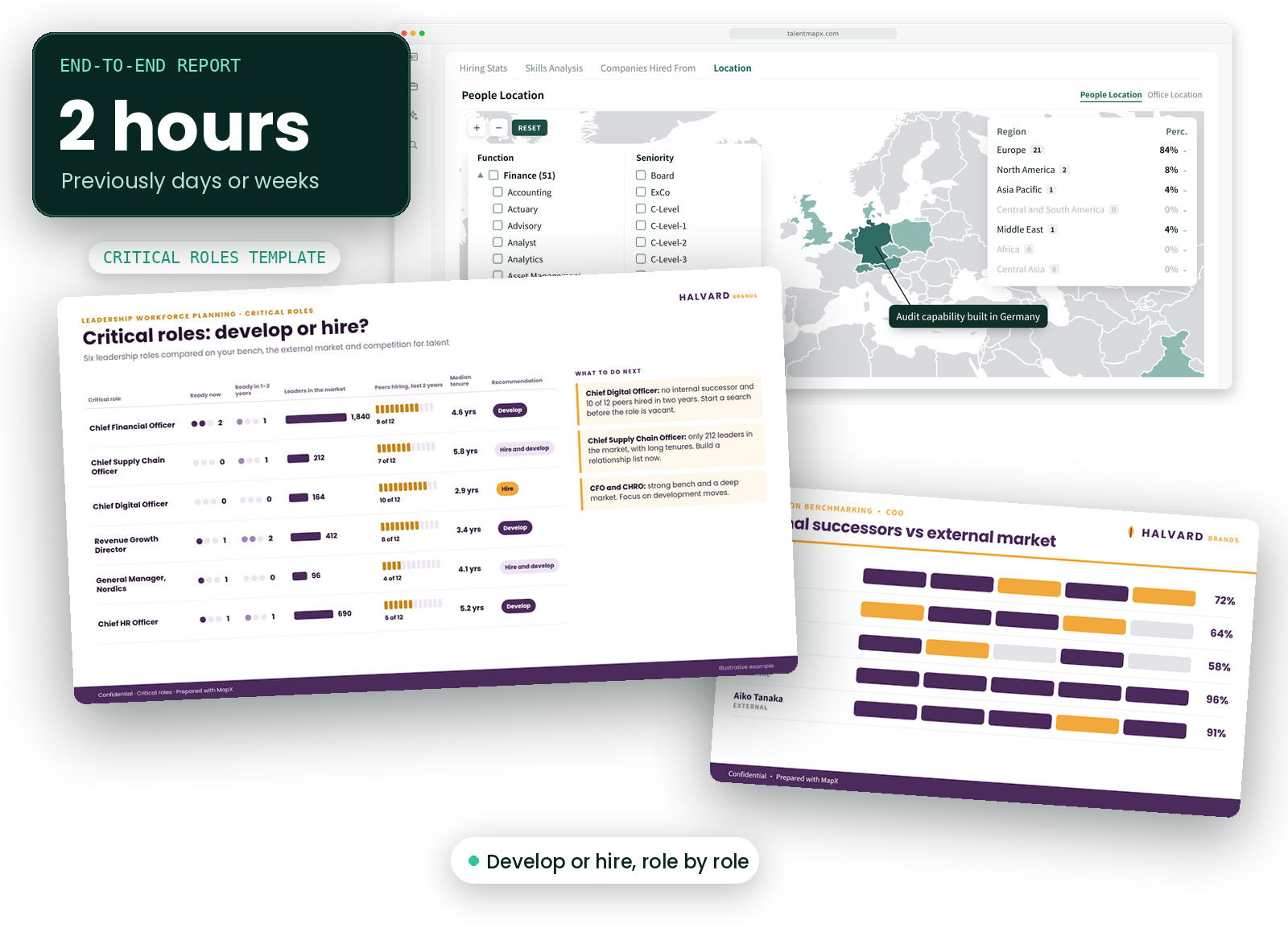
For each critical role, see how many leaders outside could do it, how many peers are hiring for it and how long people stay. Set that against your own bench and decide where to develop and where to hire.
THE PROBLEM
An inside-out workforce plan can’t tell you if hiring is realistic
Your HR system shows who might leave and who is ready to step up. It can’t show how many people outside could do each role, how many companies are competing for them, or how hard they will be to move.
Leadership workforce planning works better with the outside market in it. MapX sizes the external supply for each critical role, shows the competing demand and how movable those leaders are, so a plan can say which roles to develop for and which to hire, with a realistic timeline for each.
Internal plans model attrition and readiness, not external supply.
Recruitment data starts when a role opens, which is too late to plan.
Market reports describe sectors, not the specific roles you need to fill.
MapX sizes the market role by role, so a plan can be tested before it is signed off.
Questions it answers
How many leaders outside could do each of our critical roles? A real count of people who meet the brief, for every role on your critical list, rather than an estimate based on job titles.
How many companies are competing for the same people? See the employers hiring the same profile, so you know whether a role is contested before you commit to a hiring plan.
How long do leaders in these roles stay, and how movable are they? Tenure and move patterns show how long a search is likely to take, and which roles need a longer runway.
Which roles should we develop for, and which will we need to hire? Comparing internal readiness with external supply makes the build-or-buy decision for each role an evidence-based one.
-

Outside supply
How many leaders outside could do each of our critical roles?
-

Competing demand
How many companies are competing for the same people?
-

How movable
How long do leaders in these roles stay, and how movable are they?
-

Develop or hire
Which roles should we develop for, and which will we need to hire?
The ingredients behind the answer
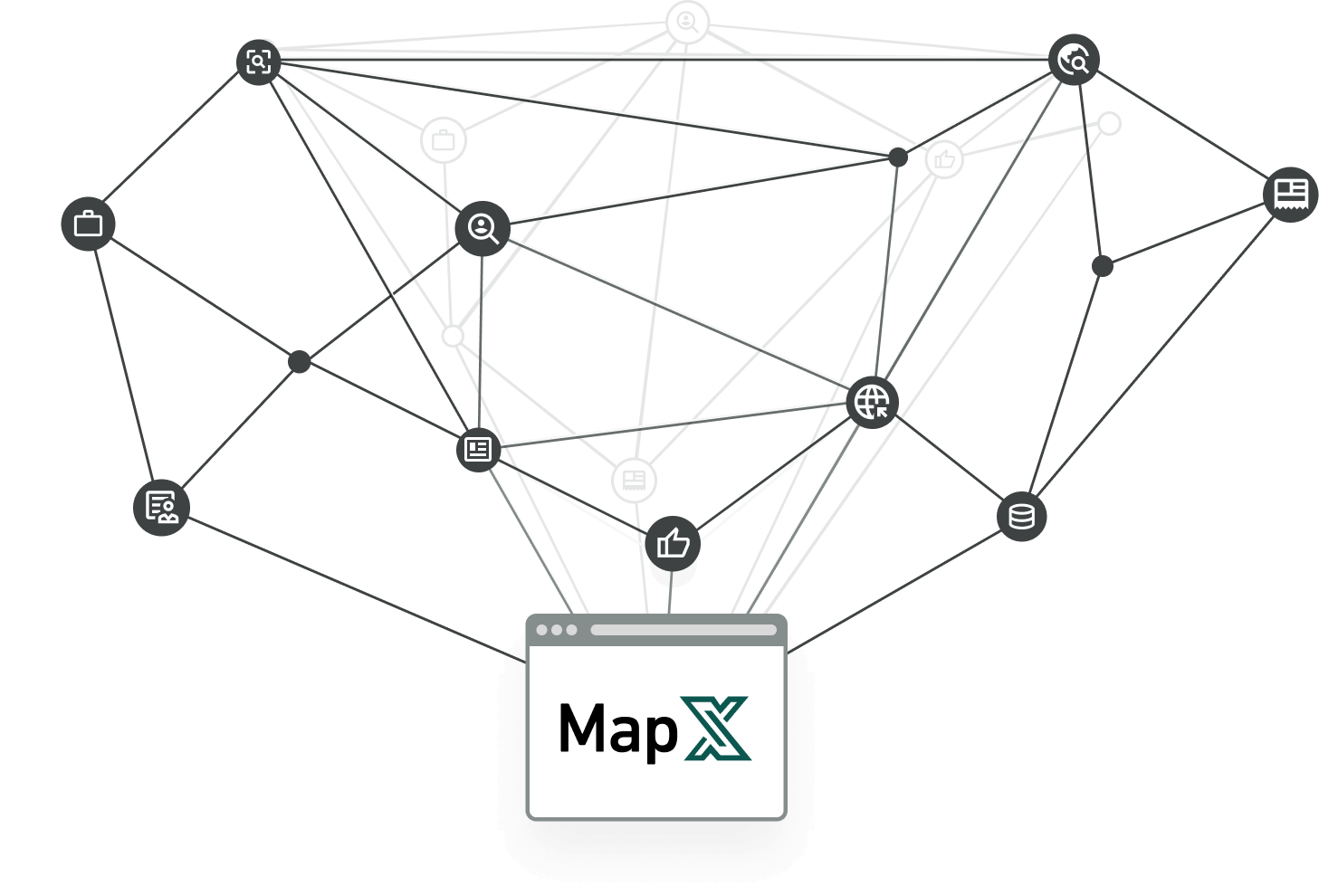
Every company and career in MapX is classified the same way. Combine the ingredients and the answer gets sharper. Polaris does this for every search.
For workforce planning, you list the critical roles, and MapX sizes the external supply for each one, shows who else is hiring the same people and how often those leaders move.
-

Functions
Define each critical role precisely, by function and specialism.
-

Companies
Where the talent works, and which companies compete for it.
-

Tenure
How long leaders stay, and how movable they are.
-

Progression
Which roles feed into each critical role.

What the output looks like
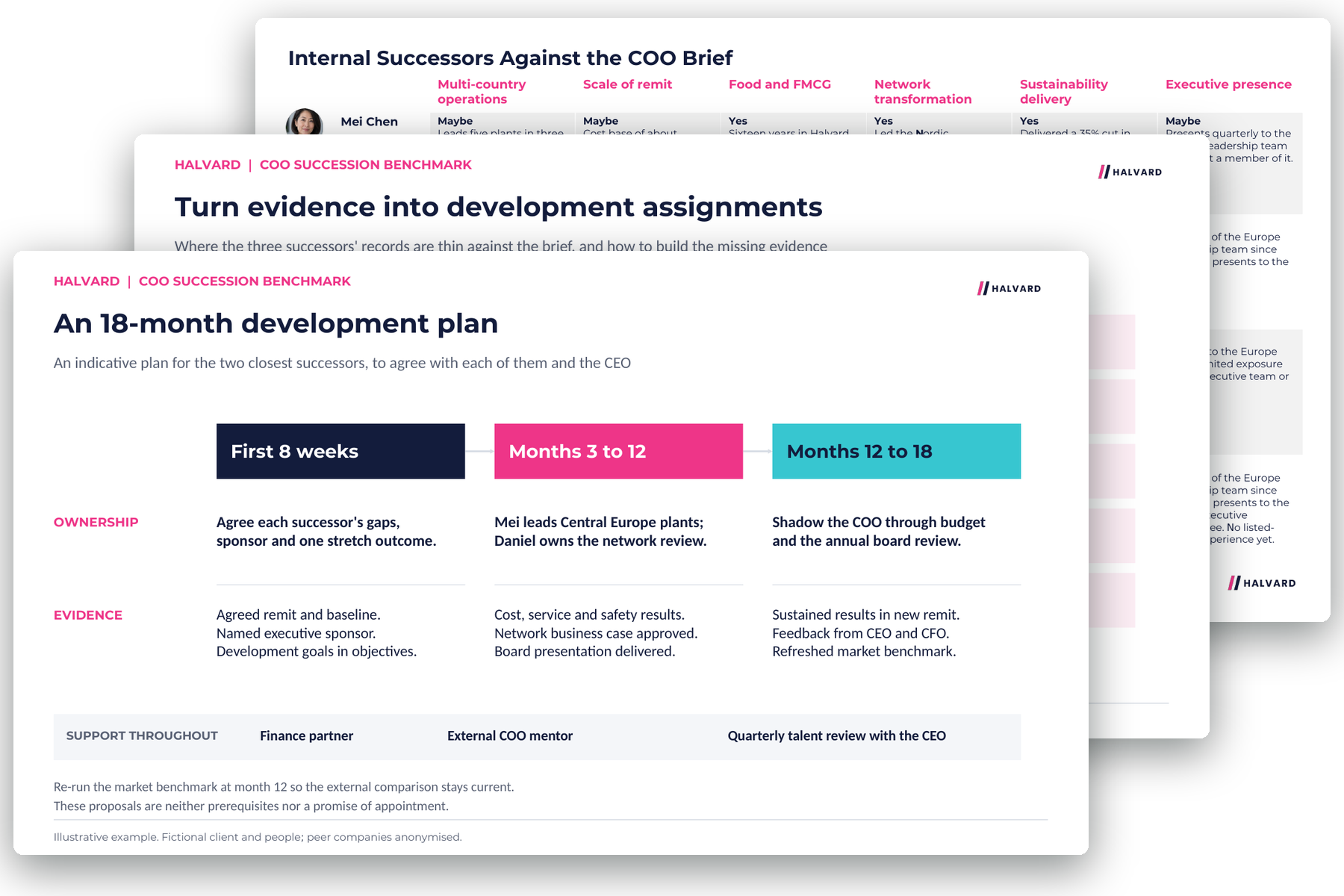
Bench strength for a critical role: internal successors against the brief, the assignments that close each gap and an 18-month plan, with the external market as the yardstick. Shown in a client’s brand, with illustrative data and fictional people.
External supply for each critical role, as a real count of people
Competing demand: the companies hiring the same profiles
A develop-or-hire view for each role, with a realistic time to fill
HR and finance teams use it to test the leadership plan before it is signed off, and to start external pipelines early for the roles that will be hardest to fill.
22m+
Senior leaders profiled, worldwide
2m+
Companies classified, public or private
420
Specialisms across 16 functions
11
Languages read in job titles
Questions teams ask
What teams ask before they start.
Where should we start?
With your critical role list: the leadership roles where a vacancy would hurt most. Most teams start with 10 to 30 roles and extend from there.
How is external supply measured?
By counting the leaders who meet the brief for each role, not those who share its title, at the companies and locations you would realistically hire from.
Does it replace our HR tools?
No. Your HR system plans your internal supply. MapX adds the external side, so you can see whether hiring is a realistic option for each role.
Can it model a new capability?
Yes. For roles you don’t have yet, MapX shows where those leaders work today and how many there are, which tells you whether to build or buy.
Do you include pay data?
Pay benchmarks come from 6 Group’s research team as an add-on.
How often should the plan be refreshed?
Most teams refresh annually with the business plan, and again when strategy shifts or a critical role becomes vulnerable.
How do we get started?
Two calls: one to set up your report library in your brand, and one to size the market for a first set of critical roles together.
Can 6 Group help build the plan?
Yes. 6 Group’s researchers and consultants can work alongside your team on the plan itself, using credits on your licence.
Pressure-test one critical role
Book a 45-minute demo. Bring a live search or a talent question and we'll show you what MapX finds, and what you'd get. Or start with the free sample pack: three finished reports in a client's brand.